
There is a lot to love about Edmonton’s older homes. But buying an older home in Edmonton also means buying a property with a history. And sometimes that history comes with additional maintenance, renovations or systems that deserve a closer look.
That doesn’t make an older home a bad investment. It simply means buyers should understand what they’re taking on before they fall completely in love with the charm.
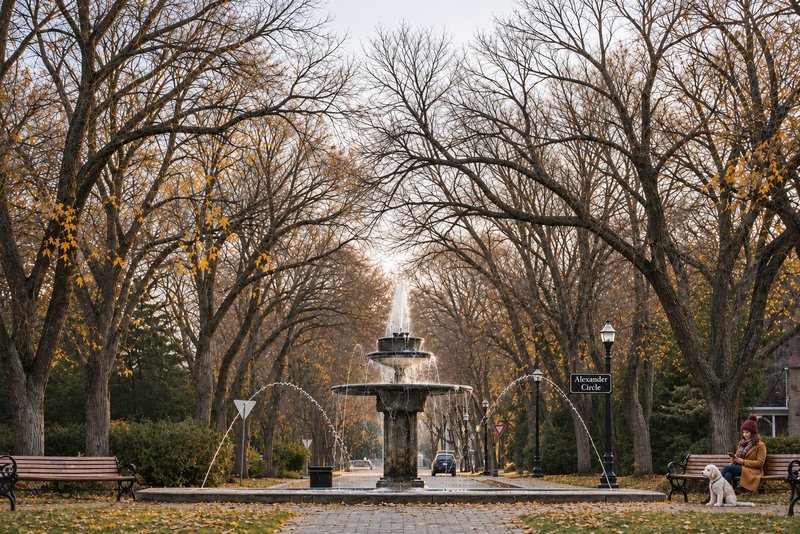
Mature trees, established streets, larger lots, unique architecture and neighbourhoods that have developed their own character over decades can be hard to replicate in newer communities.
Here are six things I encourage buyers to consider when buying an older home in Edmonton.
1. Start With the Location — Because You Can’t Renovate That
One of the strongest arguments for an older home is often the neighbourhood itself.
Edmonton’s mature communities can offer established schools and amenities, large boulevard trees, walkability, shorter commutes and lot sizes that can be difficult to find in newer developments.
That location may be worth taking on some future maintenance.
Mature trees are a perfect example. They create shade, privacy and character, but they may also require pruning, root management or eventual removal.
The question isn’t whether an older property will ever need work. It’s whether the home and location offer enough value to make that responsibility worthwhile.
Search homes for sale in Glenora
2. Understand the Sewer Line
This is one area I encourage buyers to ask about before buying an older home in Edmonton.
Some older properties may still have original sewer service materials, and tree roots, age or deterioration can eventually create problems.
Ask whether the sewer line has ever been inspected, repaired, replaced or relined. Depending on the age of the home and what is known about the line, a sewer scope may provide valuable information before you commit.
Knowing what is underground can be just as important as evaluating what you see inside the house.
3. Pay Attention to Grading and the Foundation
Edmonton’s freeze-thaw cycles, snowmelt and summer storms make drainage around any home important.
With an older property, decades of soil settlement or landscaping changes may have altered how water moves around the foundation.
Look for:
- Ground that slopes toward the house
- Low areas near the foundation
- Cracks or signs of previous foundation repair
- Water staining or moisture in the basement
- Downspouts that discharge too close to the home
Some foundation cracking is common and not necessarily cause for alarm. The important thing is understanding what you’re seeing and whether further evaluation is warranted.
4. Look at the Home’s Major Systems
An older home may have been beautifully renovated upstairs while still relying on aging systems behind the walls.
Ask about the age and condition of:
- Furnace and hot water tank
- Electrical panel and wiring
- Plumbing
- Windows
- Roof
- Insulation
The upside is that many older Edmonton homes have already undergone significant upgrades over the years.
If major systems have been thoughtfully modernized, you may get the best of both worlds: an established property with much of the expensive work already completed.
5. Ask About Renovations and Permits
Renovations can add tremendous value to an older home, but it’s worth understanding how and when the work was completed.
Ask about permits for significant renovations such as structural changes, basement development, new bathrooms, additions or changes to windows and exterior openings.
Not every cosmetic update requires a permit, but larger projects often do.
Documentation can provide reassurance that work was completed appropriately and may also help you understand the evolution of the property.
6. Be Aware of Older Building Materials
Homes from earlier eras were built using materials and practices that have since changed.
For example, some homes built before the mid-1980s may contain asbestos in products such as drywall compounds, flooring, ceiling materials or insulation.
The presence of an older material does not automatically mean the home is unsafe or that it needs to be removed. It becomes particularly relevant when materials are damaged or when you are planning renovations that could disturb them.
If you’re contemplating a major renovation, understanding what may be behind the walls can help you plan more realistically.
Top Advice from Wally
Older homes can offer things that are increasingly difficult to find: established neighbourhoods, beautiful trees, larger lots and genuine architectural character.
The goal isn’t to avoid an older home because it may require maintenance. It’s to understand the trade-off between location, character, condition and future costs before you buy.
After years of touring Edmonton homes with buyers, I know where to look, what questions to ask and when something deserves a closer investigation.
If you’ve fallen in love with an older Edmonton home — or you’re hoping to find one — reach out anytime. I can help you look beyond the charm and evaluate whether the property makes sense for your lifestyle, budget and long-term plans.
Call/text Wally at 780.238.7384 to discuss your home purchasing plans.